As a common practice in big companies, total compensation packages include stock which is used to advocate “ownership mentality.” The aim is to encourage employees to work harder and help the company’s success so both parties benefit. But the hidden truth is employees will not benefit even if they work harder!
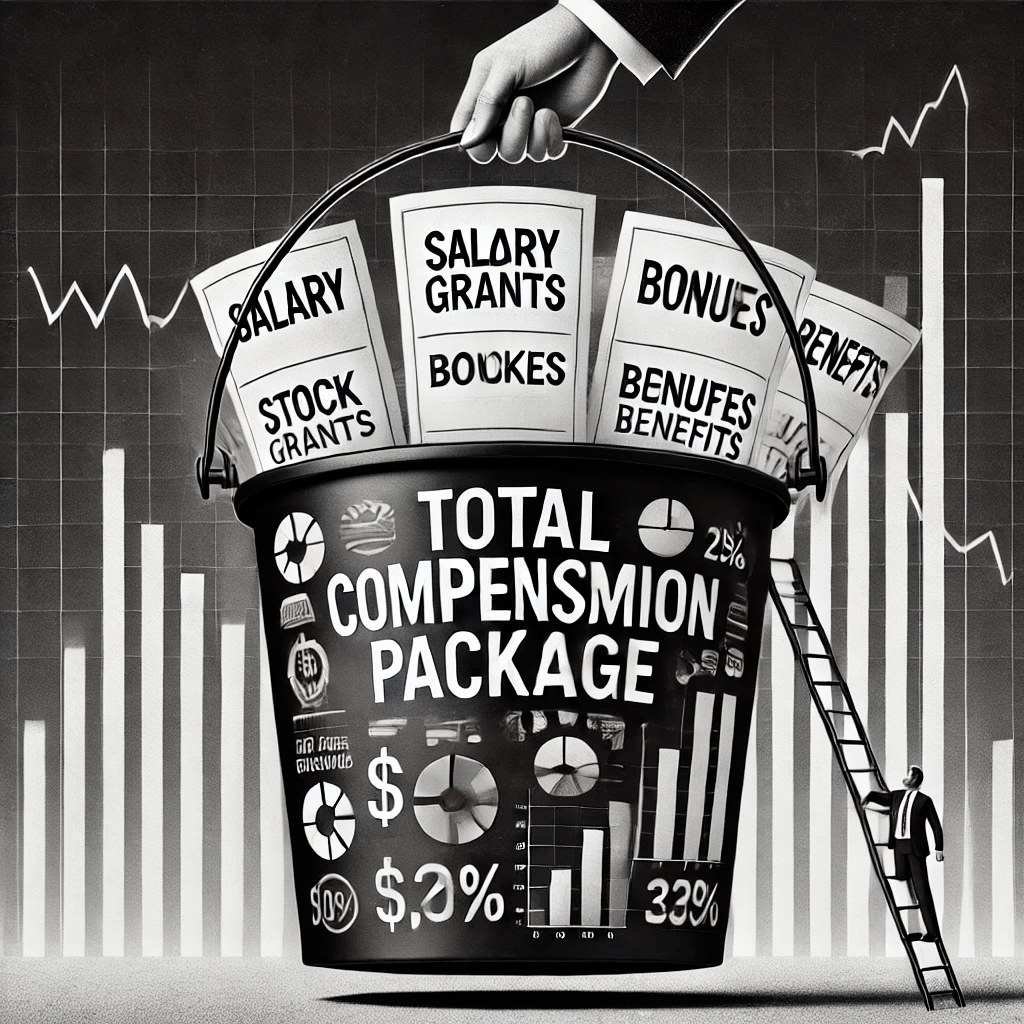
When employees work hard to drive company success and stock prices rise, their future stock grants are algorithmically reduced to maintain a pre-determined total compensation target. This creates a zero-sum game for employees.
This compensation model is sold as a merit-based system for ownership, but actually is a complex mechanism for maintaining fixed compensation. The illusion of ownership is obvious when employees notice reduced stock grants.
It’s like telling farmers that if their land or crop is better next year, they get penalized by receiving less new land, but by being a worse farmer, they might get more land as a reward to maintain their annual fixed new land grant.
The ownership illusion is a product of corporate philosophy: “appearing to offer alignment between employee and corporate interests and have a common vision by giving part of company but actually it is maintaining power dynamics.”
Why aren’t they fixing it?
• Employee compensation is a large operational cost, about 20% of total operating expenses. Public companies need to provide reliable, predictable earnings forecasts to their stakeholders. Investors always expect predictable financial metrics. So fixed total compensation satisfied investors.
• If employees benefit from stock price rises, then you are making them wealthier. It will shift power dynamics to employees and they might leave. So where do you find more hard workers.
 Mohsin With E
Leave a comment