Imagine you have a rival.
They have betrayed before.
They’ve done unethical things.
You have tried to stay ethical the whole time.
But now you’re considering something different …
And you considering a preemptive unethical action as a surprise.
Not because you believe it but to weaken them.
An evil rival is getting stronger.
So you strike first.
You start the conflict in order to stop a future conflict and maintain your power.
You commit an unethical act now to prevent a larger unethical act later.
Preemptive immorality to stop possible immorality.
Is doing writing things to make it right ethical?
What political leadership says:
In history, this logic is often used when power, survival, and reputation are at stake.
Leaders don’t always operate with clean moral frameworks. When power and survival are involved, decisions are often made under uncertainty and fear.
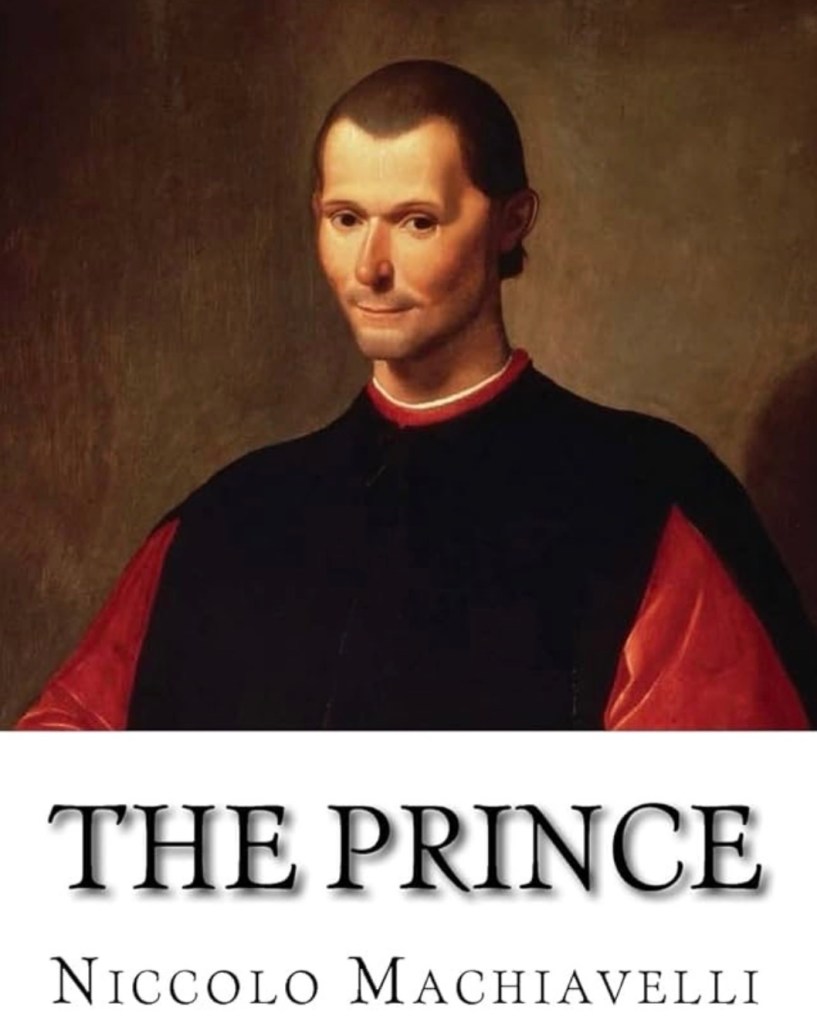
This thinking driven from the realism of Niccolò Machiavelli in book “The Prince” where survival sometimes needs actions that would normally be considered immoral.
In that world, morality is not always the first priority.
Survival is.
What ethical and legal say?
Most moral and religious frameworks reject this logic.
In traditions like Buddhism and Hinduism harming others causes negative karma that eventually comes back to the person who caused it.
In Christianity and Islam, justice is allowed but aggression is condemned.
The core principle is simple:
Doing harm creates more harm in an interconnected world.
From an international law perspective, defence is permitted but aggression is not.
What history says?
On December 7, 1941, the Attack on Pearl Harbor by Japan shocked the United States and pulled it into World War II.
Before that attack, the United States remained neutral in the war.
The surprise nature of the attack deeply influenced later military thinking in the United States. Many strategists stated to worry about anticipatory threats. The idea of attacking first to avoid imminent threats.
If you believe someone might strike…
strike before they do.
The Moral Trap
What constitutes a threat? Interpretation plays a role.
A rival becoming stronger?
A competitor gaining influence?
Your political view or facts?
Soon, people start justifying preemptive actions earlier and earlier, even when there is no imminent threat.
Fear becomes the justification for such actions.
Security Dilemma!
Six days ago a major preemptive strike against another country began. While justified, the consequences were so significant that they sparked widespread concern among nations worldwide. Why?
Because fear spreads faster than trust.
In future preemptive actions might become a norm for nations to strengthen their defences or even initiate attacks more often.
We even might see that some nations begin preemptive actions to avoid another preemptive action against their nation.
Such actions being ethical or not is one question but my mind is engaged with many more like what we need more? Fear or trust across nations? Peace or war?
Is preemptive action truly the foundation of maintaining power or is building credibility and trust?
 Mohsin With E
Leave a comment